
Affordable, effective, and under prescribed – could naltrexone change how we treat alcohol dependency?
Despite having been approved in the 1980s, naltrexone remains a relatively unfamiliar name in alcohol treatment circles. The drug, which costs just a few pounds per pill, works by blocking the euphoric and sedative effects of alcohol, reducing cravings and discouraging excessive consumption.
Clinical trials have shown a success rate of up to 80% using The Sinclair Method (TSM) which relies on 50mg doses of Naltrexone. The medication can be prescribed for those diagnosed with alcohol dependence, but advocates argue it may also benefit heavy drinkers who don’t meet clinical criteria for addiction. The Drink Less Method introduces Naltrexone dosage gradually – participants can stop at the level that is suitable for them up to the maximum 50mg as clinically proven in the Sinclair Method.
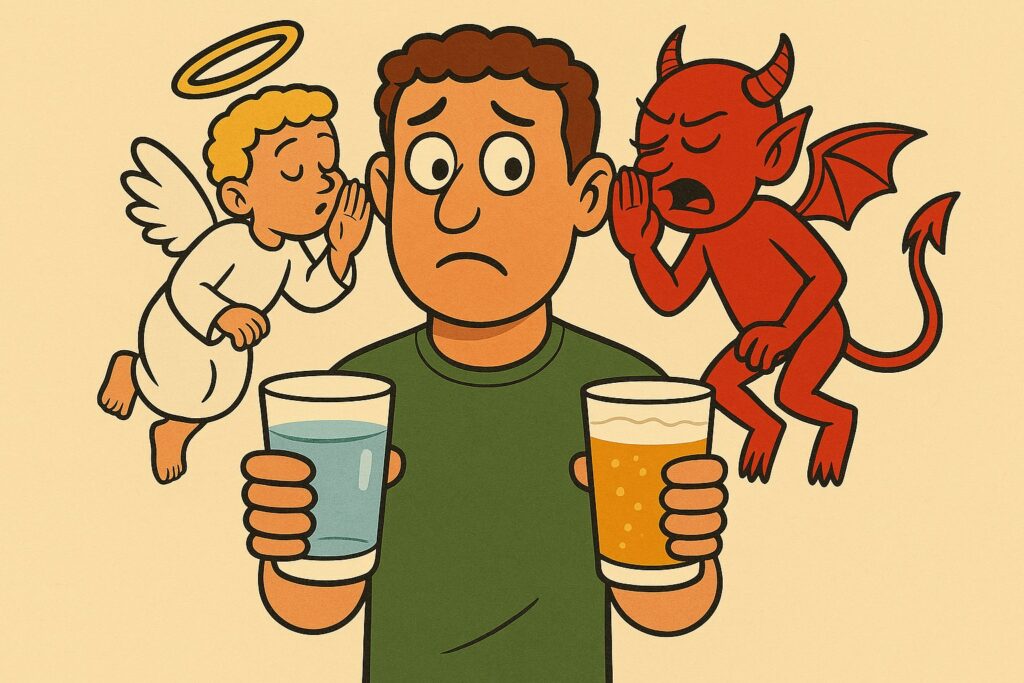
This is where the Naltrexone plays its role. For those who are sometime led astray when out having fun – especially if they have an important next day, one pill could be the ‘off switch’ that is needed.
How Does It Work?
Naltrexone is classified as an opioid antagonist, meaning it blocks opioid receptors responsible for triggering the dopamine high often associated with alcohol. As The i Paper explained, this means users can still experience intoxication, but without the “buzz” that leads to compulsive drinking.
This effect underpins its use in the Sinclair Method, developed by Dr David Sinclair at the Finnish Foundation for Alcohol Studies. The treatment encourages users to continue drinking while taking a 50mg dose of naltrexone, gradually retraining the brain’s reward response until alcohol loses its allure.
Side Effects and Limitations
Naltrexone is not without its risks. Common side effects include nausea, headache, dizziness, and stomach upset, while rarer, more serious symptoms can include depression and hallucinations. The NHS warns that it blocks opioid-based painkillers, which could pose problems in medical emergencies.
Still, Metro noted the drug’s popularity on social media, where users have praised its ability to curb cravings with minimal disruption.
Personal Accounts and Growing Interest
Writer Esther Walker described her experience with the drug in The Times, saying that naltrexone helped her develop a more “functioning relationship with alcohol” within four weeks — without requiring “superhuman levels” of willpower.
Similarly, journalist Annabel Fenwick Elliot called it “game-changing” in The Telegraph, saying it helped her sever a “neurological bond” with drinking.
Barriers to Access
Despite its apparent efficacy, naltrexone remains difficult to access on the NHS. Licensing restrictions and prescribing guidelines by the National Institute for Health and Care Excellence (NICE) recommend it only be offered alongside a programme of abstinence, which may not suit those seeking to moderate rather than quit entirely.
According to The Times, its lack of commercial interest—due to being out of patent—also hinders widespread availability, with little incentive for pharmaceutical companies to market it actively. Walker suggested a lack of political will may also be a factor, saying the government does not appear to “prioritise alcohol reduction.”