
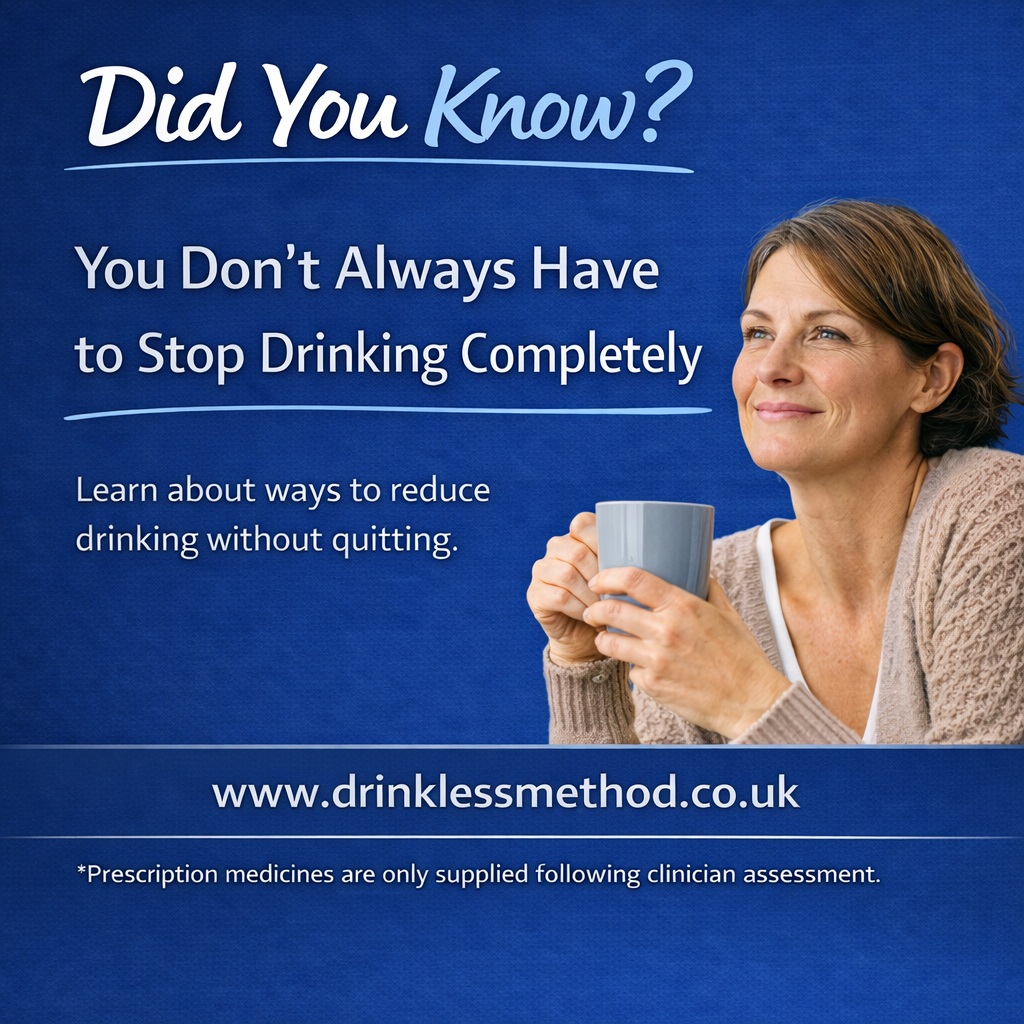
When discussions about alcohol arise, the conversation often focuses on stopping drinking entirely.
However, many adults do not feel that complete abstinence is necessary for them. Instead, their goal is moderation and control.
They want to enjoy a drink socially or occasionally, but without feeling that alcohol has become a routine or habit they no longer control.
This approach is increasingly recognised as a valid goal within alcohol research and behavioural change strategies.
Why Moderation Can Be Difficult
For many people, alcohol consumption begins as an occasional activity but gradually becomes habitual.
Patterns such as:
- drinking while cooking
- drinking while watching television
- drinking to unwind after work
can become ingrained routines. When habits become automatic, reducing them requires conscious effort.
Understanding Drinking Triggers
One useful step in reducing alcohol consumption is identifying triggers.
Common triggers include:
- stress after work
- boredom in the evening
- social expectations
- routine habits
Recognising these triggers can make it easier to change patterns.
Medical Research and Alcohol Reduction
Researchers studying alcohol use have explored a variety of approaches designed to support moderation and reduction.
One medication frequently interacts with brain receptors involved in alcohol reward pathways. Clinical studies have examined how altering these pathways may influence drinking behaviour. Because naltrexone is a prescription-only medication, its use requires consultation and approval from a healthcare professional.
Regaining Control
Reducing alcohol intake is often about regaining a sense of choice.
When individuals understand how their habits formed and what options exist for addressing them, they can make informed decisions about how they want their drinking to fit into their lifestyle.