
For many people, January feels like the longest month of the year. The festive lights are gone, the days are short and dark, and the weather is often cold, wet, and uninspiring. It’s also the month when reality tends to hit hardest.
After Christmas comes the financial hangover. Credit card statements arrive, spending catches up, and budgets feel tighter just as motivation is running low. Add to that the return to work routines, less social activity, and fewer things to look forward to, and it’s no surprise that January can feel heavy.
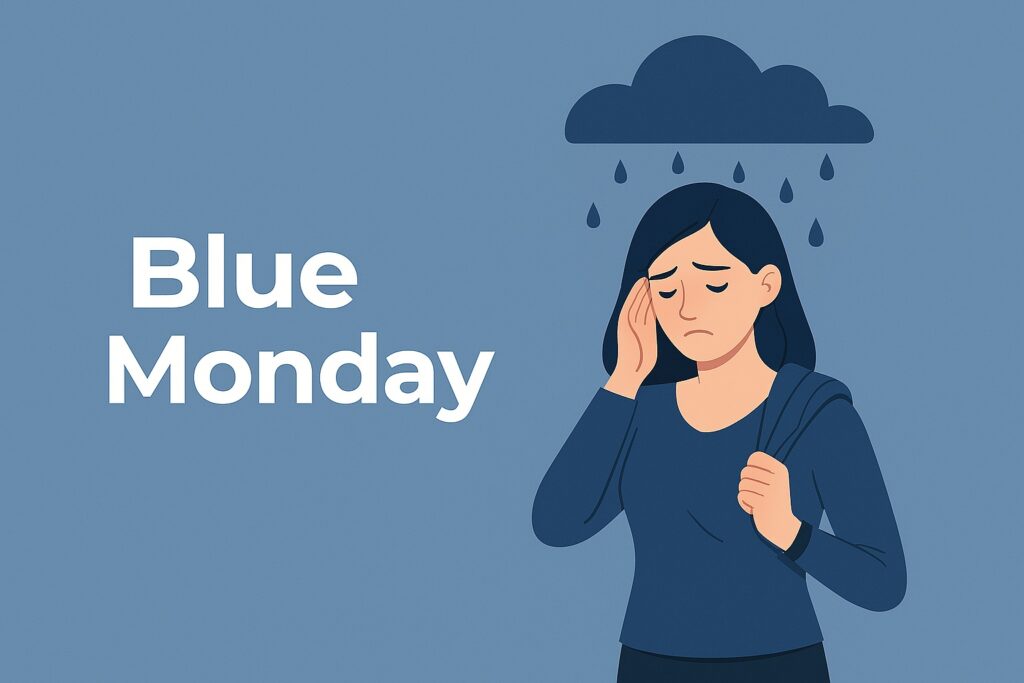
There’s even a name for it. “Blue Monday,” often labelled as the most depressing day of the year, usually falls in January and reflects a mix of low mood, poor weather, financial pressure, and unmet expectations.
On top of all this, many people take on Dry January — a well-intentioned challenge that asks for complete abstinence at a time when resilience may already be stretched thin. For some, it’s a positive reset. For others, it becomes another source of pressure.
If you haven’t completed Dry January, it doesn’t mean you’ve failed. It doesn’t mean you lack discipline or commitment. January is already demanding enough without adding self-criticism or guilt into the mix.
Habits don’t exist in isolation. They’re influenced by stress, mood, routine, and biology — all of which are often under strain this time of year. Expecting perfection in the toughest month can be unrealistic.
Rather than viewing January as a test of willpower, it may help to see it as a time for reflection and self-compassion. Progress doesn’t have to be all-or-nothing. Even small steps toward feeling more in control matter.
January is hard. You’re allowed to acknowledge that. And you’re allowed to be kind to yourself while you figure out what support, balance, or change looks like for you — now and beyond this month.