
Why Most People Underestimate How Much They Really Drink
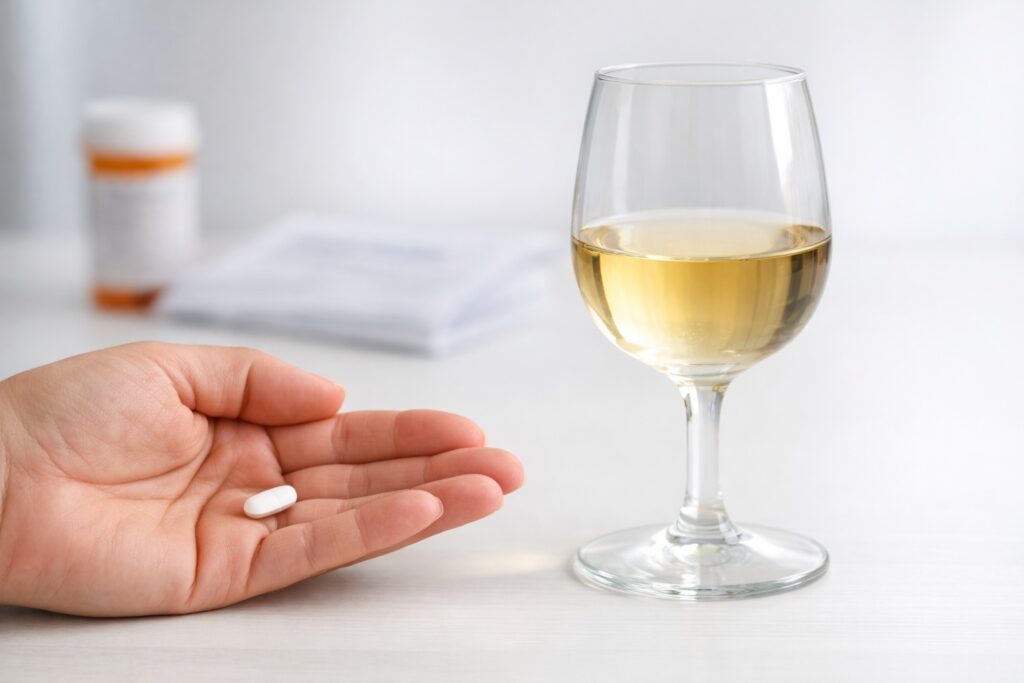
If you’ve been searching online for medication to curb alcohol cravings, you’re certainly not alone.
Many people reach a point where they begin asking themselves difficult questions:
“Am I drinking too much?”
“Why can’t I stop after one or two drinks?”
“Why do I feel tired all the time?”
“How many units am I actually drinking?”
The truth is that alcohol is one of the few substances where people frequently underestimate, minimise or misunderstand their own consumption.
Sometimes they do it consciously.
More often, they simply don’t realise how much they are drinking.
At www.drinklessmethod.co.uk, one of the most common things we hear is:
“I don’t think I drink that much.”
When we start exploring what that actually means, people are often surprised.
Most People Underestimate Their Alcohol Consumption
Studies consistently show that many people underestimate how much alcohol they consume.
People often forget:
- glasses topped up at home
- larger servings in restaurants
- stronger beers
- cocktails
- drinking that starts earlier in the day during holidays or weekends
Others compare themselves to friends or partners who may also drink heavily, making their own drinking appear normal.
Many people are also remarkably good at being honest with everyone except themselves.
It’s human nature.
We tell ourselves:
“It’s only wine.”
“I only drink at weekends.”
“Everyone drinks this much.”
“I deserve it after a stressful week.”
But alcohol has a habit of creeping up gradually.
One glass becomes two.
Two becomes three.
Friday drinking becomes Friday and Saturday.
Eventually, it can become an automatic part of everyday life.
People Are Often Confused About Alcohol Units
One of the biggest misconceptions relates to units.
People frequently assume:
“A bottle of wine is about 10 units.”
In reality, a standard 750ml bottle of wine at 13–14% ABV contains around 10–11 units, while stronger wines can contain considerably more.
Many people also underestimate calorie content.
A bottle of wine can easily contain:
600–800 calories
depending on alcohol strength and residual sugar.
That’s equivalent to:
- several chocolate bars
- a takeaway meal
- an hour or more of vigorous exercise
Beer is another area where confusion exists.
A pint of stronger craft beer at 6% ABV contains around:
3.4 units
while even a seemingly ordinary pint at 4.2–4.5% ABV often contains around:
2.4–2.6 units
People may believe they’ve had:
“Just a few beers”
when in reality they’ve consumed a significant proportion of their recommended weekly intake.
What Are the Recommended Limits?
Current UK guidance recommends that adults drink no more than:
Women: approximately 14 units per week
Men: around 14–20 units per week
spread over several days, with alcohol-free days incorporated where possible.
Many people who consider themselves “social drinkers” are surprised to discover they exceed these recommendations regularly.
A couple of glasses of wine each evening can quickly amount to:
- 25 units per week
- 30 units per week
- sometimes considerably more
Without tracking consumption, it’s very easy to lose sight of the bigger picture.
Alcohol Cravings Aren’t Always About Dependence
Cravings don’t necessarily mean someone has severe alcohol dependence.
For many people, alcohol has simply become associated with:
- relaxing after work
- rewarding themselves
- socialising
- cooking dinner
- watching television
- weekends
- holidays
Over time, these behaviours become reinforced.
People may find themselves drinking automatically rather than consciously choosing to drink.
This is where some individuals begin looking for medication to curb alcohol cravings.
Can Medication Help Reduce Alcohol Cravings?
One of the most extensively studied medications used within alcohol treatment pathways is naltrexone.
Naltrexone is a prescription-only medicine that works by blocking specific opioid receptors involved in alcohol reward pathways.
Some individuals report that it may help them:
- think about alcohol less often;
- stop drinking earlier;
- consume fewer drinks;
- feel more satisfied with smaller amounts;
- regain a sense of control.
Importantly, treatment is not suitable for everyone and should only be considered following clinical assessment by a qualified prescribing clinician.
Knowledge Is Powerful
Perhaps the most important step in changing drinking habits is simply understanding them.
How much are you actually drinking?
How many calories are you consuming?
How many units does that bottle of wine really contain?
What starts as a simple exercise in awareness can often become the catalyst for meaningful change.
Many people don’t need perfection.
They simply want to:
- sleep better;
- spend less money;
- feel healthier;
- reduce alcohol cravings;
- enjoy social occasions without feeling they’ve overdone it.
For some, understanding the numbers is enough.
For others, clinically supervised support may provide an additional tool to help them regain control.
At www.drinklessmethod.co.uk, we believe that informed decisions are better decisions.
And sometimes, the first step towards drinking less is simply recognising how much we may have been underestimating all along.
This article is for informational purposes only and does not constitute medical advice. Always consult a qualified healthcare professional before starting any medication.