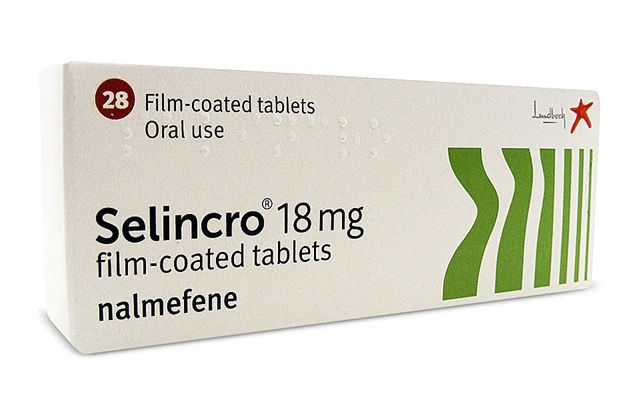
For some people who want to cut down rather than stop completely, Nalmefene 18 mg can be a useful prescription option. In the UK and Europe, Nalmefene (Selincro) is indicated to help reduce alcohol consumption in adults with alcohol dependence who have a high drinking risk level, do not have physical withdrawal symptoms, and do not need immediate detoxification. It is intended to be used alongside psychosocial support, not as a stand-alone solution.Nalmefene is an alternative to Naltrexone because Naltrexone has not worked well for them, or because their clinician thinks another option may be more appropriate. Your prescriber will decide suitability based on your history, goals, and any medical risks.
Nalmefene is an opioid system modulator. In practical terms, it acts on opioid receptors involved in the brain’s reward response to alcohol. That can make drinking feel less reinforcing, which may help some people drink less, stop earlier, and feel more in control of the amount they consume. EMA describes Nalmefene as an opioid system modulator, and pivotal trials found that as-needed Nalmefene reduced alcohol consumption in people who continued to have a high drinking risk at baseline.
There are two common reasons clinicians may discuss Nalmefene as an alternative.
First, Naltrexone does not suit everyone. Naltrexone is a well-known option for alcohol problems, but it is not right for every patient. NICE’s BNF notes that Naltrexone should be avoided in severe or acute hepatic impairment, acute hepatitis, or hepatic failure, and used with caution in mild to moderate impairment.
Second, some people do better with a different medicine or dosing strategy. Nalmefene is licensed specifically for alcohol reduction and is generally used as needed, rather than as a routine daily tablet for everyone. Clinical trials and longer-term follow-up studies found that as-needed Nalmefene reduced total alcohol consumption and heavy drinking over time in appropriate patients.
Second, some people do better with a different medicine or dosing strategy. Nalmefene is licensed specifically for alcohol reduction and is generally used as needed, rather than as a routine daily tablet for everyone. Clinical trials and longer-term follow-up studies found that as-needed Nalmefene reduced total alcohol consumption and heavy drinking over time in appropriate patients. Read More
There are two common reasons clinicians may discuss Nalmefene as an alternative.
First, Naltrexone does not suit everyone. Naltrexone is a well-known option for alcohol problems, but it is not right for every patient. NICE’s BNF notes that Naltrexone should be avoided in severe or acute hepatic impairment, acute hepatitis, or hepatic failure, and used with caution in mild to moderate impairment.
Second, some people do better with a different medicine or dosing strategy. Nalmefene is licensed specifically for alcohol reduction and is generally used as needed, rather than as a routine daily tablet for everyone. Clinical trials and longer-term follow-up studies found that as-needed Nalmefene reduced total alcohol consumption and heavy drinking over time in appropriate patients.
Nalmefene may be considered for adults who:
• want to reduce drinking rather than pursue immediate abstinence,
• continue to have a high drinking risk level,
• are not in alcohol withdrawal,
• and do not need urgent detox.
It is not appropriate for everyone, and it is especially important to review liver function, kidney function, opioid use, and mental health history before prescribing. EMA product information also lists important contraindications and cautions, including severe hepatic or renal impairment and recent alcohol withdrawal symptoms.
If clinically appropriate, Nalmefene 18 mg may be supplied by private prescription through The Drink Less Method. The current pack referenced here is 28 tablets x 18 mg for £169. Treatment decisions should always be made after a proper clinical assessment, with advice on when and how to use the tablets, what side effects to watch for, and what realistic reduction goals look like.
This page is for general information and does not replace individual medical advice. Nalmefene should only be used when prescribed by a qualified clinician who has reviewed your health background and drinking pattern.
1. What Nalmefene is and what it is used for
Nalmefene contains the active substance nalmefene, which belongs to a group of medicines that act on the brain’s opioid system.
Nalmefene is used in adults to reduce alcohol consumption in patients with alcohol dependence who:
• continue to drink at a high level, and
• do not have physical withdrawal symptoms, and
• do not require immediate detoxification
Nalmefene should be used together with psychosocial support (such as counselling) to help reduce alcohol intake.
2. What you need to know before you take Nalmefene
Do not take Nalmefene if you:
• are allergic to nalmefene or any of the other ingredients of this medicine
• are taking opioid medicines (e.g. morphine, codeine, methadone)
• are dependent on opioids or suspected to be opioid dependent
• are experiencing acute alcohol withdrawal symptoms (e.g. hallucinations, seizures, delirium tremens)
• have severe liver or severe kidney impairment
Warnings and precautions
Talk to your doctor before taking Nalmefene if you:
• have liver or kidney problems
• have a history of depression or suicidal thoughts
• have a history of seizures
• are currently taking other medicines
If you need emergency treatment with opioids, higher doses may be required. Inform healthcare professionals that you are taking nalmefene.
Other medicines and Nalmefene
Tell your doctor or pharmacist if you are taking, have recently taken, or might take any other medicines, especially:
• opioid-containing medicines (e.g. strong painkillers, cough medicines)
• medicines affecting the brain (e.g. antidepressants, antipsychotics)
Pregnancy and breastfeeding
If you are pregnant or breastfeeding, think you may be pregnant or are planning to have a baby, ask your doctor for advice before taking this medicine.
Nalmefene is not recommended during pregnancy or breastfeeding unless clearly necessary.
Driving and using machines
Nalmefene may cause dizziness, sleepiness, or confusion.
Do not drive or operate machinery if affected.
3. How to take Nalmefene
Always take this medicine exactly as your doctor has told you.
• The recommended dose is one tablet (18 mg)
• Take on days when you feel a risk of drinking alcohol
• Take 1–2 hours before drinking if possible
• Do not take more than one tablet per day
Swallow the tablet whole with water. It can be taken with or without food.
4. Possible side effects
Like all medicines, this medicine can cause side effects, although not everybody gets them.
Very common (may affect more than 1 in 10 people):
• Nausea
• Dizziness
• Difficulty sleeping
Common (may affect up to 1 in 10 people):
• Headache
• Anxiety
• Restlessness
• Fatigue
Uncommon:
• Confusion
• Hallucinations
• Feeling detached from reality
Serious side effects
Stop taking the medicine and seek medical help immediately if you experience:
• hallucinations or severe confusion
• thoughts of self-harm or suicide
5. How to store Nalmefene
• Keep this medicine out of the sight and reach of children
• Do not use this medicine after the expiry date stated on the packaging
• Store below 30°C
• Store in the original package to protect from moisture
6. Contents of the pack and other information
What Nalmefene contains:
• The active substance is nalmefene (18 mg per tablet)
• Other ingredients include excipients typical for film-coated tablets
What the medicine looks like:
• Film-coated tablets (appearance may vary depending on manufacturer)
Marketing Authorisation Holder and Manufacturer:
Details will be provided on the outer packaging.
Additional information
Nalmefene is part of a treatment programme that includes:
• regular medical review
• behavioural support
• monitoring of alcohol consumption