
What Does the Evidence Really Show?
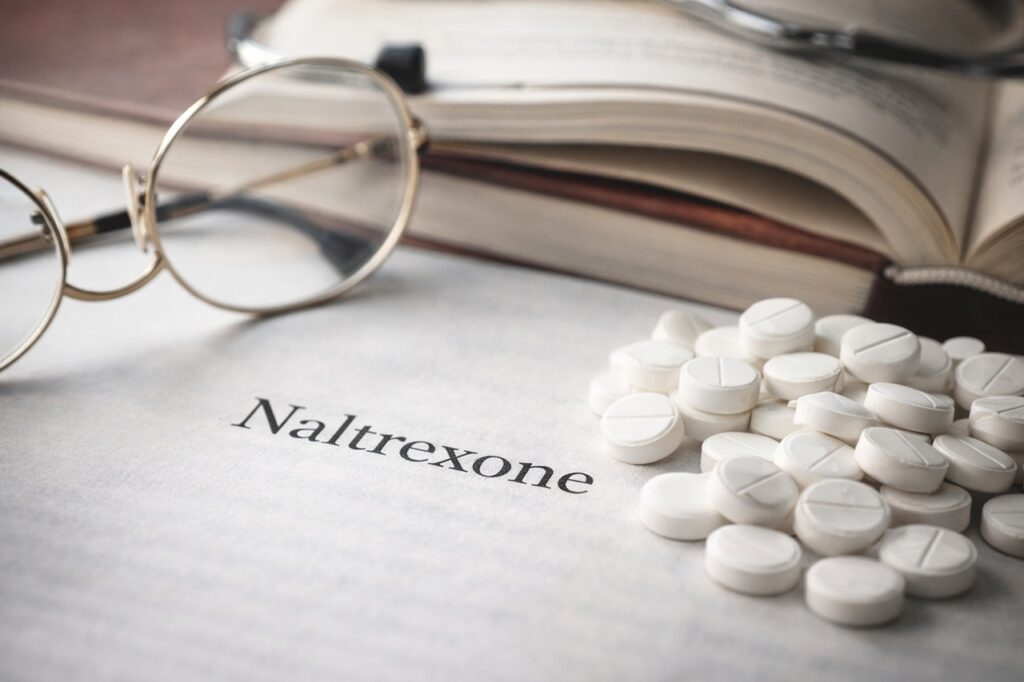
If you’ve been researching ways to drink less, you may already have encountered The Sinclair Method, naltrexone and claims of a 78% success rate.
It sounds impressive. But does the Sinclair Method really work? And how strong is the evidence behind those claims?
The answer is more interesting than a simple yes or no.
There is substantial scientific evidence supporting naltrexone as a treatment for alcohol problems, including evidence that it can reduce heavy drinking. There is also research into taking naltrexone specifically in anticipation of drinking—often described as targeted naltrexone.
However, some of the claims made online about the Sinclair Method go further than the evidence allows.
Let’s look at what we actually know.
What Is the Sinclair Method?
The Sinclair Method is an approach associated with the work of Dr John David Sinclair, whose research into alcohol and learned behaviour began in the 1970s.
Rather than requiring someone to become abstinent before treatment, the approach involves taking the opioid antagonist naltrexone before drinking alcohol.
The theory centres on something known as pharmacological extinction.
Alcohol can activate the brain’s endogenous opioid system, contributing to the reinforcing effects associated with drinking. Naltrexone blocks opioid receptors and can therefore reduce some of alcohol’s reinforcing effects.
Repeatedly drinking while those receptors are blocked is proposed to weaken the learned association between alcohol and reward.
Importantly, naltrexone doesn’t make alcohol disappear from your bloodstream and it doesn’t prevent intoxication.
You can still become drunk and impaired while taking naltrexone. It should never be interpreted as making it safer to drink or drive.
Does Naltrexone Help People Drink Less?
This is where the evidence is considerably stronger than many people realise.
Naltrexone has been studied extensively as a treatment for alcohol use disorder.
A major 2023 systematic review and meta-analysis published in JAMA examined 118 clinical trials involving 20,976 participants. It found that oral naltrexone at 50 mg per day was associated with a reduction in return to heavy drinking, with a number needed to treat of approximately 11.
That doesn’t mean naltrexone works for everybody.
It does mean there is good evidence that naltrexone can help some people change their drinking.
What About Taking Naltrexone Only Before Drinking?
This is particularly relevant to the Sinclair Method.
Research has also investigated targeted naltrexone, where medication is taken in anticipation of situations in which someone expects to drink rather than simply being taken every day.
One randomised controlled trial involving problem drinkers compared daily and targeted use of naltrexone and placebo. Among men, targeted naltrexone was associated with lower average drinks per day than the other treatment groups at the end of treatment.
Other controlled research has investigated naltrexone in people who continued drinking rather than requiring abstinence before treatment.
This makes targeted naltrexone an interesting area of alcohol-reduction research.
However, it’s important to distinguish evidence for naltrexone, evidence for targeted naltrexone, and evidence for every claim made about the complete Sinclair Method. They aren’t necessarily the same thing.
Is the Sinclair Method Really 78% Successful?
This is probably the statistic you’ll encounter most frequently online.
Search for “Sinclair Method success rate” and you’ll often see claims that the treatment is 78% successful.
That figure needs context.
It originates from work associated with Sinclair in Finland. The figure related to 115 people classified as successful among 147 who completed sufficient treatment to be evaluated. It wasn’t the result of a large independent placebo-controlled trial demonstrating that 78% of everyone starting the Sinclair Method will succeed.
That’s an important difference.
People who stop treatment may differ from those who continue, and without an appropriate control group it’s difficult to determine how much of an observed change was specifically caused by the intervention.
There is another important point.
Success didn’t necessarily mean abstinence.
For many people interested in this approach, that’s actually highly relevant because their objective isn’t necessarily to stop drinking completely.
They want to drink less and regain greater control over alcohol.
So rather than interpreting 78% as your personal probability of success, it’s more sensible to look at the broader controlled evidence for naltrexone and alcohol reduction.
Does the Sinclair Method Require You to Keep Drinking?
The traditional Sinclair Method is unusual because drinking isn’t necessarily regarded as a treatment failure.
Instead, the medication is taken before anticipated drinking, so alcohol is consumed while opioid receptors are being blocked.
That is quite different from some conventional uses of naltrexone.
Current UK NICE guidance includes oral naltrexone as an option following assisted withdrawal for certain people with alcohol dependence, generally alongside an individual psychological intervention.
Using naltrexone in a targeted way specifically before anticipated drinking therefore differs from that standard UK pathway and may constitute off-label prescribing, depending on the particular regimen and circumstances.
Off-label prescribing doesn’t automatically mean inappropriate prescribing. It means the clinician needs to decide whether the treatment is appropriate for the individual patient and explain the proposed use.
How Quickly Does Naltrexone Work for Drinking Less?
This is another area where expectations matter.
Naltrexone shouldn’t be thought of as a magic tablet that instantly removes every desire for alcohol.
Some people notice changes relatively quickly. For others, changes can be gradual.
You might initially notice that you’re less interested in another drink, that an evening finishes earlier than usual or that alcohol begins occupying less of your attention.
Over time, that can potentially translate into fewer drinks on each occasion or more alcohol-free days.
But responses vary substantially.
This is why keeping an accurate record of when you take medication, how much you drink, your alcohol-free days and any side effects can be useful when treatment is being reviewed.
Is Naltrexone Safe?
Naltrexone is a well-established prescription medicine, but it isn’t suitable for everybody.
One particularly important issue is opioids.
Because naltrexone blocks opioid receptors, it can interfere with opioid medicines and can precipitate withdrawal in someone who is opioid-dependent. Anyone taking opioid-containing medicines—or who may need opioid pain relief—needs to discuss this with their clinician.
Liver health and other medical factors may also need consideration before and during treatment.
Possible side effects can include nausea, headache, tiredness, dizziness, gastrointestinal symptoms and changes in sleep.
Treatment should therefore follow an appropriate clinical assessment rather than being self-prescribed based on something you’ve read online.
What If You Are Physically Dependent on Alcohol?
This is particularly important.
If you experience symptoms such as shaking, sweating, significant anxiety or feeling that you need alcohol to steady yourself, don’t suddenly stop or substantially reduce heavy alcohol consumption without medical advice.
Alcohol withdrawal can sometimes be dangerous and may require medically supervised treatment.
Speak to your GP, NHS 111 or an appropriate alcohol service for advice.
Is the Drink Less Method the Same as the Sinclair Method?
Not exactly.
Drink Less Method is influenced by some of the same research into naltrexone, alcohol reinforcement and targeted treatment, but it is not presented as the original Sinclair Method protocol.
Our approach begins with an online health assessment followed by review by an independent UK prescriber.
Where treatment is considered appropriate, some patients may initially be prescribed a lower-strength naltrexone preparation that allows the medication to be introduced gradually before moving to the dose and treatment schedule authorised by their prescriber.
This is one reason we describe what we offer as the Drink Less Method, rather than simply calling it the Sinclair Method.
Our objective is also clear from the name.
For appropriate adults, the aim may be to reduce alcohol consumption and regain greater control over drinking rather than necessarily pursuing complete abstinence.
So, Does the Sinclair Method Work?
There is no credible treatment for alcohol problems that works for everyone.
That includes naltrexone and the Sinclair Method.
But there is good evidence that naltrexone can reduce heavy drinking in some people, and there is controlled research supporting targeted use of naltrexone in people seeking to reduce their drinking.
The famous 78% success rate should be treated cautiously. It shouldn’t be interpreted as meaning that 78 out of every 100 people who start the Sinclair Method will achieve their desired outcome.
The broader scientific evidence for naltrexone is much more useful than any single headline percentage.
And perhaps that’s the more important message.
If you’ve tried simply telling yourself to drink less and repeatedly found yourself returning to the same drinking pattern, it doesn’t necessarily mean that abstinence is your only remaining option.
For some people, clinically supervised treatment may provide another approach.
At Drink Less Method, treatment starts with an assessment reviewed by an independent clinician. Medication is only prescribed where the clinician considers it appropriate for the individual.
If your goal is to drink less rather than necessarily stop drinking completely, you can find out more at www.drinklessmethod.co.uk.
This article is for general information only and does not replace individual medical advice or clinical assessment. Naltrexone is a prescription-only medicine and is not suitable for everyone.