
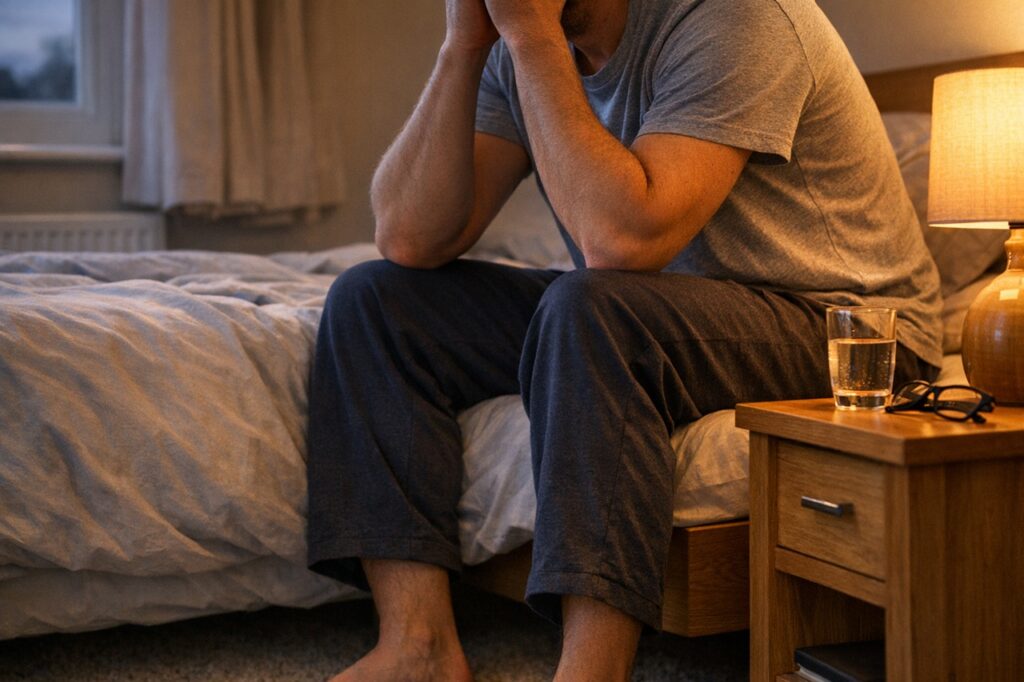
Alcohol is often seen as a way to unwind — a glass of wine after work, a few drinks at the weekend, or a social pint with friends. But even moderate drinking can have a far greater impact on your body than most people realise. Beyond the extra calories, alcohol affects sleep, metabolism, digestion, hormones, and long‑term health in ways that can quietly undermine your wellbeing.
If you’ve been struggling with bloating, poor sleep, low energy or difficulty losing weight, alcohol may be playing a bigger role than you think.
The real impact of alcohol on your body
Alcohol affects almost every major system in the body. Regular or frequent drinking can lead to:
Bloating and water retention
Alcohol irritates the gut, disrupts digestion, and causes inflammation — all of which contribute to bloating and discomfort.
Disrupted sleep patterns
Even small amounts of alcohol interfere with the brain’s natural sleep cycles.
Increased fat storage
Alcohol is metabolised as a priority fuel, meaning your body pauses fat‑burning while it processes the alcohol.
Reduced recovery and energy
Poor sleep and impaired nutrient absorption make it harder for your body to repair and recharge.
These effects don’t just make you feel sluggish — they can make it significantly harder to reach your health goals, whether that’s weight loss, improved fitness, or better day‑to‑day wellbeing.
The sleep connection: why alcohol makes you tired but not rested
Many people believe alcohol helps them sleep because it makes them feel drowsy. In reality, it does the opposite.
Alcohol reduces the amount of deep sleep and REM sleep you get — the two stages responsible for physical recovery, memory, hormone regulation and emotional balance.
Poor‑quality sleep can trigger:
- Increased hunger and cravings, especially for sugar and carbs
- Reduced metabolism, making weight loss harder
- Lower energy levels, affecting motivation and mood
- Higher cortisol (stress hormone), which encourages fat storage around the stomach
This creates a cycle where alcohol disrupts sleep, poor sleep increases cravings, and cravings lead to overeating — all of which can stall progress.
Breaking the cycle: what happens when you reduce alcohol
Cutting back on alcohol, even slightly, can lead to noticeable improvements within days or weeks. Many people report:
- Better sleep quality and waking up more refreshed
- Improved metabolism and easier weight loss
- Reduced bloating and inflammation
- More stable energy and mood
- Better skin clarity
- Improved exercise performance and recovery
These benefits often appear long before someone becomes alcohol‑free — even reducing intake by 30–50% can make a meaningful difference.
Clinically supported help for reducing alcohol
For some people, cutting back on alcohol is straightforward. For others, cravings, habit loops or emotional triggers make it more challenging.
If reducing alcohol feels difficult, clinically proven treatments such as the Drink Less Method can help. The medication used works by reducing the reward response associated with drinking, making it easier to break patterns and regain control.
In the UK, naltrexone is available through private prescription, following a clinical assessment to ensure safe and appropriate use. This gives people access to evidence‑based support without long waiting lists.
A healthier approach to long‑term wellbeing
Addressing alcohol intake is one of the most effective steps you can take to improve your overall health. Better sleep, improved digestion, reduced cravings, and more stable energy can transform how you feel day to day.
Whether your goal is weight loss, better mental clarity, or simply feeling more in control, reducing alcohol can be a powerful catalyst for change.
Start your journey:
www.drinklessmethod.co.uk