
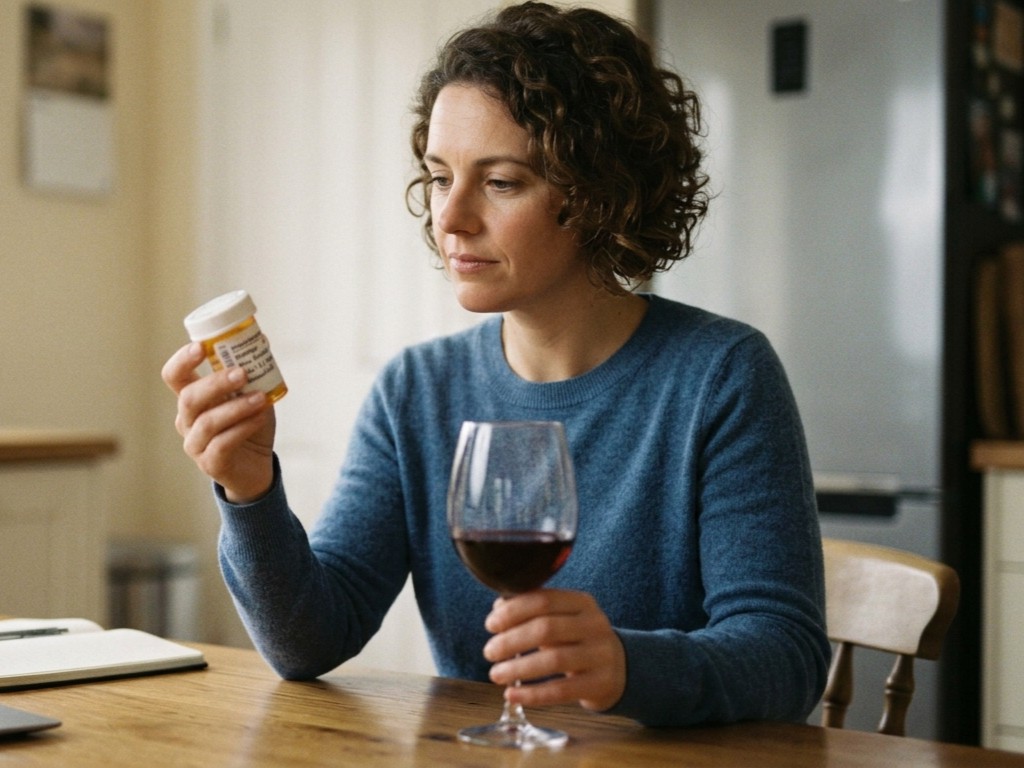
Do you find yourself drinking wine every evening, even when you’ve promised yourself you won’t? Perhaps it starts with a glass while cooking dinner, followed by another on the sofa. Before you know it, you’ve finished most of the bottle.
If you’re searching for how to stop drinking wine every night, you’re certainly not alone.
For many people, evening drinking gradually becomes a habit. What started as an occasional way to relax can turn into something that feels surprisingly difficult to change.
The good news? You don’t necessarily have to rely on willpower alone. There are practical strategies, professional support and prescription medications that may help.
Why Is It So Difficult to Stop Drinking Wine Every Night?
Wine can become closely associated with relaxation, particularly after a stressful day.
You might automatically reach for a glass when you finish work, prepare dinner or settle down to watch television.
Over time, your brain begins associating these activities with alcohol.
However, there’s another factor: alcohol activates the brain’s reward system, reinforcing the desire to drink again.
This combination of habit and reward can explain why you continue drinking even when you’re no longer particularly enjoying it.
Is Drinking a Bottle of Wine Every Night Too Much?
A standard 750ml bottle of wine at 13% ABV contains approximately 9.8 UK alcohol units.
Drinking one bottle every evening adds up to almost 69 units per week.
That’s nearly five times the UK Chief Medical Officers’ guideline of no more than 14 units weekly for people who drink regularly.
Regularly exceeding these guidelines increases the risk of liver disease, high blood pressure, certain cancers and other health problems.
Recognising how much you’re drinking is an important first step towards making changes.
Can Medication Help You Stop Drinking Wine?
Yes. Prescription medications can support people who want to reduce alcohol consumption or become completely alcohol-free.
One treatment option is naltrexone, which works by blocking opioid receptors involved in alcohol’s rewarding effects.
For some people, this can reduce cravings and make drinking feel less rewarding.
Naltrexone is used in alcohol dependence treatment, including programmes designed to help people maintain abstinence.
Other medicines, such as acamprosate, may also be considered depending on individual circumstances.
Medication isn’t a magic solution, but it can provide additional support alongside behavioural changes.
Naltrexone 25mg or 50mg: Which Is Better?
The maximum dose for alcohol dependence is 50mg daily, although treatment commonly begins with a lower dose to assess tolerability.
Some people notice changes in cravings or drinking behaviour at 25mg..
Importantly, 50mg doesn’t guarantee abstinence, and 25mg doesn’t limit someone to alcohol reduction.
Your clinician should recommend an appropriate dose based on your medical history, treatment goals and response.
Five Practical Ways to Break the Evening Wine Habit
If you want to stop drinking wine every night, consider these strategies:
1. Identify your triggers. Notice whether you drink because of stress, boredom, loneliness or routine.
2. Change your evening ritual. Replace your usual glass of wine with an alcohol-free drink or another relaxing activity.
3. Remove temptation. Avoid keeping wine at home if having an open bottle makes stopping difficult.
4. Track your drinking. Recording alcohol-free days and cravings can reveal patterns and progress.
5. Seek support. Speaking to a GP, alcohol specialist or support group can make change more manageable.
Small changes can help interrupt automatic drinking habits.
Is It Safe to Stop Drinking Wine Suddenly?
Not always.
If you’ve been drinking heavily every day, stopping abruptly can cause dangerous alcohol withdrawal.
Symptoms may include shaking, sweating, anxiety, nausea and a racing heartbeat.
If you experience withdrawal symptoms or suspect physical dependence, speak to your GP or an alcohol treatment service before stopping. Severe withdrawal symptoms require emergency medical attention.
Naltrexone does not treat alcohol withdrawal.
Can You Stop Drinking Wine Completely?
Absolutely, becoming alcohol-free is a realistic goal for many people.
Others may initially prefer to reduce their consumption before deciding whether complete abstinence is right for them.
At The Drink Less Method, we recognise that everyone’s relationship with alcohol is different.
Whether your goal is to stop drinking wine every night, significantly reduce your consumption or work towards abstinence, understanding your habits and exploring appropriate support can help you take the next step.
Ready to change your relationship with alcohol? Learn more about The Drink Less Method and our confidential, clinician-led assessment process.
This article is for general information and does not replace personalised medical advice.
www.drinklessmethod.co.uk