
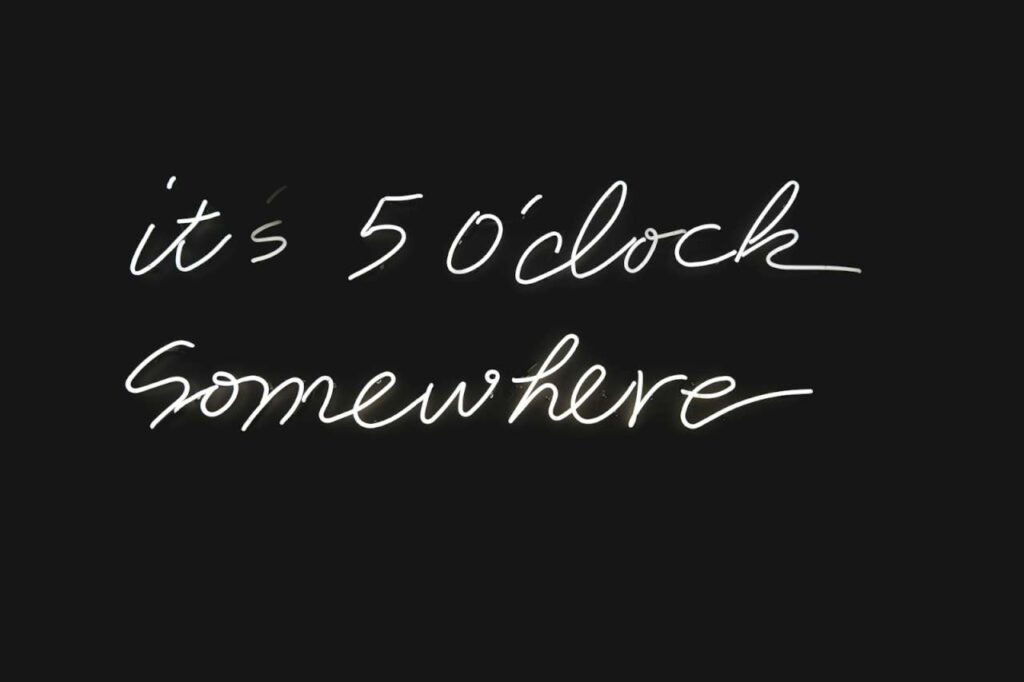
It’s 5pm. You’ve finished work, dinner is approaching, and suddenly you’re thinking about opening a bottle of wine.
You might have spent the entire day determined not to drink, yet the familiar evening craving returns almost like clockwork.
If you’re wondering why you crave alcohol at 5pm every day, you’re not alone.
For many people, evening drinking becomes a deeply established habit. However, repeated cravings can also be associated with alcohol dependence.
The good news is that medication to stop or reduce alcohol consumption may help some people regain control, particularly when combined with behavioural support.
Why Do Alcohol Cravings Start at 5pm?
Your brain learns to associate certain times, places and activities with drinking.
If you’ve spent years enjoying wine after work, your brain may begin anticipating alcohol before you’ve even poured a glass.
Common triggers include stress, tiredness, boredom and the transition from working to relaxing.
Alcohol also affects the brain’s reward system. Repeated drinking can reinforce the connection between alcohol and feelings of relaxation or pleasure.
Eventually, you may find yourself reaching for a drink automatically, even when you don’t particularly want one.
This doesn’t necessarily mean you lack willpower. It may reflect a combination of learned behaviour and physical or psychological dependence.
Is There Medication to Stop Drinking Alcohol?
Yes. Several prescription medicines are used in the UK to treat alcohol dependence.
These include naltrexone, nalmefene and acamprosate.
They work in different ways, and the most appropriate treatment depends on whether your goal is to stop drinking completely or reduce your alcohol consumption.
Naltrexone: Medication That May Help You Stop Drinking
Naltrexone works by blocking opioid receptors involved in alcohol’s rewarding effects.
For some people, this reduces the satisfaction associated with drinking and helps manage the urge to continue.
Naltrexone can support abstinence, meaning stopping alcohol completely, when used as part of an appropriate treatment programme.
It may also be considered in approaches aimed at reducing alcohol consumption.
The usual maintenance dose for alcohol dependence is 50mg daily, although treatment commonly begins at 25mg to assess tolerability.
Some people report improvements in cravings at lower doses, but 25mg is not the standard maintenance dose.
A clinician must determine the appropriate treatment and dosage.
Nalmefene (Selincro): Medication to Reduce Alcohol Consumption
Nalmefene is another prescription medicine that acts on the brain’s opioid system.
It is licensed for reducing alcohol consumption in certain adults with alcohol dependence who meet specific clinical criteria.
Unlike a standard daily medication regimen, nalmefene is generally taken when there is a risk of drinking, according to the prescriber’s instructions.
It is used alongside ongoing psychosocial support.
Nalmefene is primarily intended for alcohol reduction rather than maintaining complete abstinence.
Acamprosate: Supporting an Alcohol-Free Life
For people who have already stopped drinking, acamprosate may help maintain abstinence.
It acts on brain signalling systems affected by long-term alcohol use.
This makes it another option for people whose goal is to remain alcohol-free rather than simply reduce the number of drinks they consume.
Can Medication Stop Evening Alcohol Cravings?
Medication may help reduce cravings or alcohol’s rewarding effects, but it doesn’t automatically remove every urge to drink.
You may still associate 5pm with pouring a glass of wine.
That’s why combining medication with changes to your evening routine can be particularly useful.
Consider replacing your usual drink with an alcohol-free alternative, going for a walk after work or changing where you spend the first hour of your evening.
Over time, these changes may help weaken the association between finishing work and drinking.
Should You Stop Drinking Suddenly?
If you drink heavily every day, stopping abruptly can be dangerous.
Alcohol withdrawal can cause shaking, sweating, anxiety, nausea and, in severe cases, seizures.
If you experience withdrawal symptoms or suspect physical dependence, seek medical advice before reducing or stopping alcohol.
Naltrexone and nalmefene do not prevent dangerous alcohol withdrawal.
Can You Stop Drinking Completely Rather Than Just Cut Down?
Absolutely. Many people successfully become alcohol-free, while others initially choose to reduce their drinking.
The important thing is that your treatment plan reflects your individual goals and medical circumstances.
At The Drink Less Method, we understand that people want different outcomes.
Some want to stop drinking wine every evening. Others want to reduce their weekly alcohol intake or work towards complete abstinence.
Our confidential, clinician-led assessment process helps determine whether medical treatment and additional support may be appropriate.
Ready to change your relationship with alcohol? Explore The Drink Less Method and start your confidential assessment.
This article provides general information only and does not replace personalised medical advice. Prescription treatment is subject to independent clinical assessment.