
You Don’t Have to Stop Drinking Completely to Make a Change
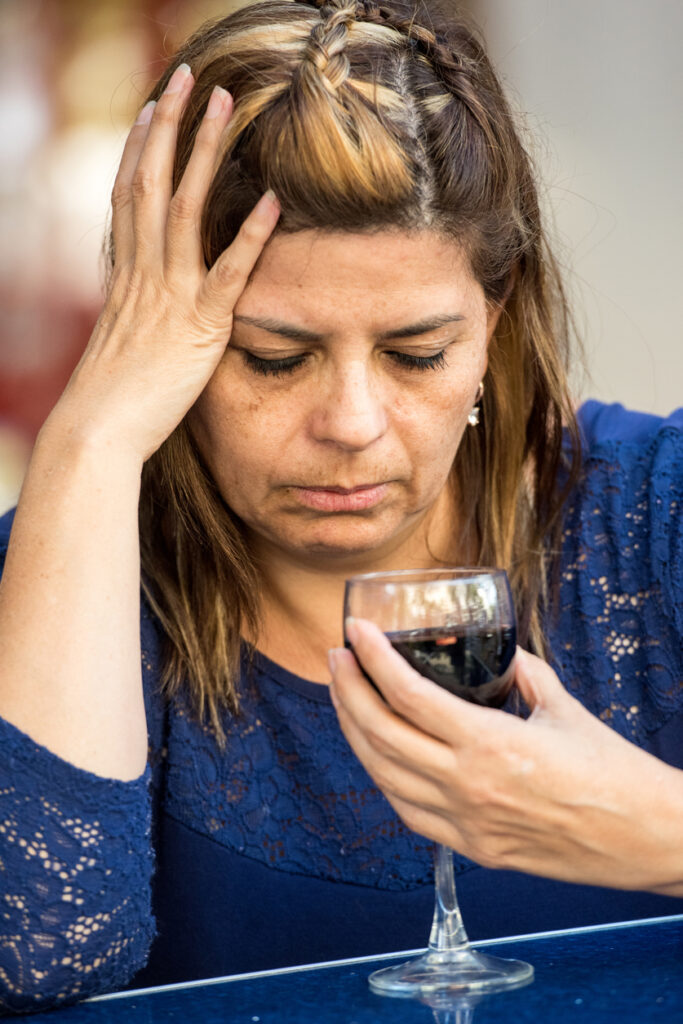
September has arrived.
The summer holidays are over, children are back at school, people are returning to work and normal routines are beginning again.
For many people, there’s also a slightly uncomfortable thought:
“I think I drank too much over the summer.”
Perhaps you drank every day on holiday.
Maybe there were more barbecues, weddings, festivals and weekends away than usual.
Or perhaps the occasional glass of wine in the garden gradually became two or three drinks most evenings.
With Sober October approaching, you might now be wondering whether you should stop drinking completely for a month.
But what if you don’t actually want to give up alcohol?
What if your goal is simply to reduce drinking and regain control?
For some people, that can be an entirely different conversation.
Did Summer Drinking Become an Everyday Habit?
One of the difficulties with summer is that unusual drinking can gradually start feeling normal.
A beer at lunchtime might seem completely reasonable on holiday.
Wine every evening becomes part of being away.
Then you return home.
The holiday finishes—but the evening drinking continues.
This makes September a particularly useful time to ask:
Am I drinking because I genuinely want a drink, or because drinking has become part of my routine?
Sober October Isn’t the Only Option
For many people, Sober October is a great opportunity to reassess their relationship with alcohol.
Complete abstinence isn’t everybody’s objective.
You might enjoy sharing a bottle of wine over dinner.
You may like having a couple of drinks with friends.
Perhaps what concerns you isn’t drinking itself, but the fact that one drink regularly becomes four or five.
Your objective might therefore be:
- Drink less frequently.
- Drink smaller amounts.
- Have more alcohol-free days.
- Stop drinking automatically every evening.
- Feel more in control once you start drinking.
For some people, reducing alcohol rather than immediately pursuing complete abstinence may be a goal they are more willing to engage with.
However, anyone who may be physically dependent on alcohol should seek medical advice before abruptly stopping or substantially reducing their intake, because alcohol withdrawal can sometimes be dangerous.
Is There a Pill to Stop Drinking?
If you’ve repeatedly tried to cut down, you may have searched online for:
“Is there a pill to stop drinking?”
“What medication can help me drink less?”
“Can Naltrexone reduce drinking?”
“What is the Sinclair Method?”
There isn’t a magic pill to stop drinking that automatically switches off someone’s desire for alcohol.
But there are prescription medicines used in alcohol treatment.
One of the best-known is Naltrexone.
Naltrexone is an opioid-receptor antagonist. It acts on opioid receptors involved in some of alcohol’s reinforcing effects.
For suitable patients, Naltrexone may be considered as part of a clinically supervised treatment plan.
It isn’t suitable for everybody, and treatment requires an appropriate medical assessment.
John Sinclair and a Different Way of Thinking About Alcohol
One of the most interesting parts of the history of Naltrexone and alcohol reduction comes from the pioneering work of Dr John David Sinclair.
Sinclair began researching learned alcohol-seeking behaviour in the 1970s.
His work examined how drinking behaviour could become learned through reinforcement and subsequently investigated the potential role of opioid antagonists.
His research became associated with an approach widely known as the Sinclair Method.
One of the concepts associated with the Sinclair Method is pharmacological extinction.
Put simply, alcohol can reinforce drinking behaviour through its effects on reward-related systems. Naltrexone blocks opioid receptors involved in some of these effects.
Sinclair investigated whether repeatedly blocking aspects of that reinforcement in association with drinking could gradually weaken learned alcohol-seeking behaviour.
The Drink Less Method is inspired by the pioneering work of John Sinclair and his Sinclair Method, although it uses its own clinically guided approach.
Why Does This Matter If You Want to Reduce Drinking?
For many years, conversations about alcohol problems often seemed to present people with two choices:
Keep drinking or stop completely.
Yet many people searching for help aren’t necessarily asking:
“How do I never drink alcohol again?”
They’re asking:
“How do I stop drinking every night?”
“How can I drink less?”
“Why can’t I stop after two drinks?”
“Is there medication to reduce drinking?”
And increasingly:
“Can Naltrexone help me regain control?”
This is why the ideas associated with the Sinclair Method have attracted interest among people exploring alternatives to an abstinence-only mindset.
It doesn’t mean abstinence isn’t appropriate or preferable for some people. Individual circumstances matter, and treatment goals should be discussed with an appropriate healthcare professional.
Use September to Understand Your Drinking
Before deciding what you want October to look like, spend September understanding your current behaviour.
Keep an accurate record of your drinking.
- How many days each week do you drink?
- How many units are you consuming?
- When does your first drink normally happen?
- What triggers it?
The source material recommends identifying the two or three situations where you’re most likely to drink more than you intended and making simple decisions in advance about what you’ll do when those situations occur.
For example, if you automatically open wine while preparing dinner, have an alcohol-free alternative ready.
If arriving home from work means opening a beer, go for a walk first.
If Friday night usually becomes a heavy drinking session, decide what you’re going to drink—and roughly how much—before the evening begins.
The objective is to stop allowing alcohol to operate on autopilot.
What If Willpower Hasn’t Been Enough?
Perhaps you’ve already done all of this.
You’ve tried Dry January.
You’ve promised yourself you’ll only drink at weekends.
You’ve downloaded alcohol-tracking apps.
You’ve repeatedly told yourself:
“I’m definitely cutting down this month.”
And yet the same pattern keeps returning.
If so, it may be worth learning about other forms of support and whether medication to reduce drinking could be appropriate for you.
For suitable adults, Naltrexone is one medication that an appropriately qualified prescriber may consider following clinical assessment.
It’s important to be realistic: Naltrexone isn’t a guaranteed pill to stop drinking, it doesn’t work for everybody, and medication isn’t a substitute for understanding your drinking behaviour.
But needing additional support doesn’t mean the only remaining option is simply trying harder.
Reduce Drinking Without Waiting for January
One of the biggest mistakes people make is continually postponing change.
“I’ll sort it out after the holiday.”
“I’ll cut down when the kids go back to school.”
“I’ll do Sober October.”
“I’ll definitely do Dry January.”
Months can disappear surprisingly quickly.
If you’ve reached the end of summer thinking you’re drinking too much, September gives you a natural opportunity to do something about it.
Track your alcohol consumption.
Identify your triggers.
Introduce alcohol-free days where appropriate.
Change the routines associated with drinking.
And if you’ve repeatedly tried to reduce drinking without achieving the control you want, find out about the additional options available.
It Doesn’t Have to Begin With “I’m Never Drinking Again”
For some people, complete abstinence is the right objective.
For others, the first goal may simply be:
“I want to drink less.”
“I don’t want to drink every night.”
“I want to stop after one or two.”
“I want to feel in control again.”
The pioneering research begun by John Sinclair in the 1970s, the work subsequently associated with the Sinclair Method, and the wider research into Naltrexone have all contributed to a broader discussion about how problematic drinking can be addressed.
So, if you drank more than you wanted this summer, don’t automatically write it off as something you’ll deal with next year.
September could be your opportunity to change the routine.
And October doesn’t necessarily have to be about proving you can go 31 days without alcohol.
For some people, a more meaningful objective may be developing a healthier and more controlled relationship with alcohol that lasts considerably longer than a month.
Want to Find Out More About Naltrexone and Reducing Your Drinking?
Learn more about Naltrexone, the Sinclair Method, medication to reduce drinking and the Drink Less Method approach for suitable adults who want greater control over their alcohol consumption.
Find out more: www.drinklessmethod.co.uk