
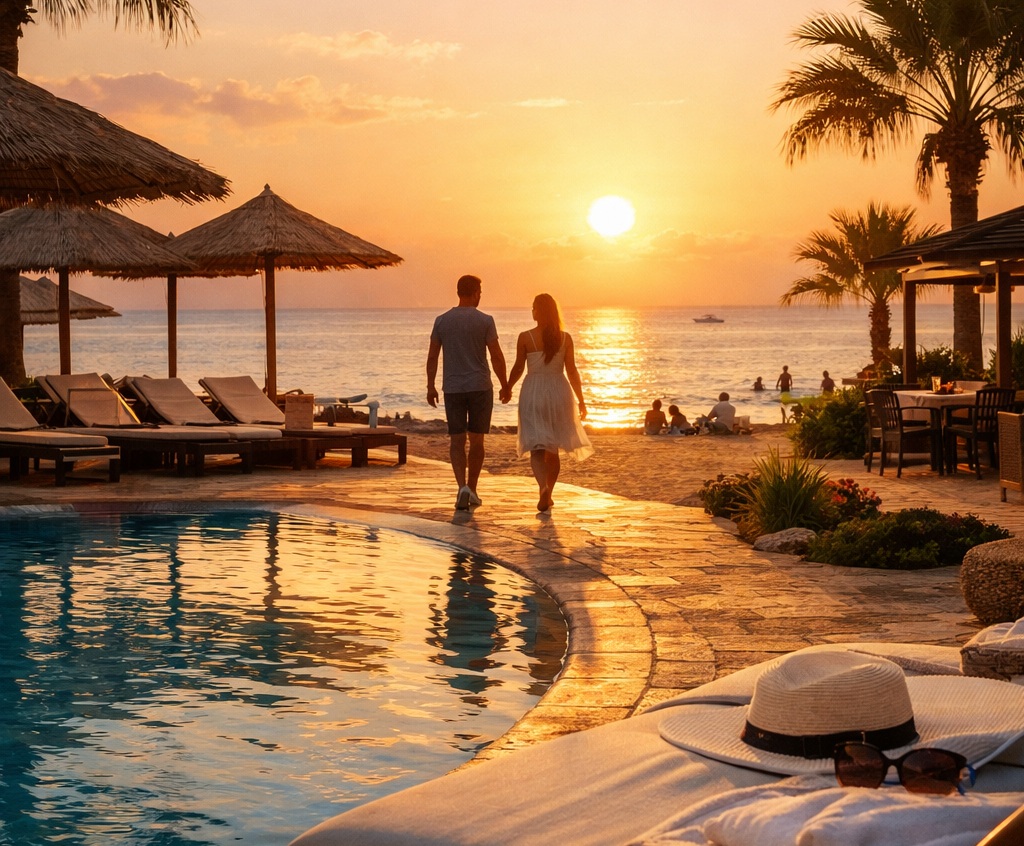
For many of us, holidays are the highlight of the year. They offer an opportunity to relax, recharge and escape the pressures of everyday life. Unfortunately, they can also lead to a significant increase in alcohol consumption—often without us even noticing.
It’s not unusual for someone who drinks moderately at home to find themselves drinking every day while away. Breakfast is followed by a beer by the pool, a glass of wine with lunch, cocktails at sunset and drinks after dinner. Before long, alcohol has become part of almost every activity.
The surprising part? Most people don’t think they’re drinking excessively because “it’s only for a week.”
The Holiday Mindset
Psychologists often talk about the “holiday effect.” When we’re away from work and daily routines, we naturally relax the rules we normally follow.
- We stay up later.
- We eat more desserts.
- We spend more money.
- And we often drink much more alcohol.
There’s nothing inherently wrong with treating yourself on holiday, but alcohol has a habit of quietly increasing far beyond what we intended.
Many people start their holiday with the thought:
“I’ll just enjoy myself.”
By day three, they’re drinking four or five times a day without really thinking about it.
Routine Keeps Us in Check
At home, our lifestyle naturally limits our drinking.
Work the next morning.
School runs.
Exercise classes.
Driving.
Shopping.
Family commitments.
These all help create natural alcohol-free periods.
On holiday, those barriers disappear.
There’s nowhere to be.
No alarm clock.
No meetings.
Suddenly drinking at midday doesn’t seem unusual.
The problem is that the brain quickly adapts to this new routine.
Alcohol Becomes the Activity
Many holidays unintentionally revolve around drinking.
Think about a typical day:
- Airport drinks.
- Beer by the pool.
- Wine at lunch.
- Cocktails before dinner.
- Wine with dinner.
- Nightcaps.
When alcohol becomes the centre of the day, it can be difficult to imagine enjoying yourself without it.
Yet if you ask people about their favourite holiday memories, they rarely mention the drinks themselves.
Instead they remember:
- sunsets
- beaches
- conversations
- food
- exploring new places
- spending time with loved ones
Alcohol often accompanies these moments, but it doesn’t create them.
Holiday Drinking Can Continue After You Return Home
One of the biggest risks isn’t actually what happens during the holiday.
It’s what happens afterwards.
After drinking every day for one or two weeks, daily alcohol can begin to feel normal.
Many people return home intending to stop immediately, only to find themselves opening a bottle of wine on Monday because that’s what they’ve been doing every evening abroad.
Temporary habits can become permanent surprisingly quickly.
How Much Are You Really Drinking?
People are generally poor at estimating alcohol consumption.
Holiday measures are often much larger than those served at home.
Cocktails may contain multiple measures of spirits.
Large glasses of wine may contain over three units.
Local beers can be considerably stronger than UK beers.
It’s very easy to underestimate both the number of units and the calories you’re consuming.
Keeping even a simple note on your phone can be eye-opening.
You Don’t Have to Stop Drinking Completely
Many people assume there are only two choices:
- drink as much as everyone else
- don’t drink at all
In reality, there’s a middle ground.
You might decide to:
- delay your first drink until the evening
- alternate alcoholic and non-alcoholic drinks
- choose alcohol-free days
- have one glass of wine instead of three
Small changes often produce surprisingly large benefits.
When Willpower Isn’t Enough
Some people find that every holiday follows the same pattern.
They promise themselves they’ll drink moderately.
They manage for the first day or two.
Then alcohol gradually takes over the holiday.
If this sounds familiar, you are certainly not alone.
For some people, medication prescribed following an appropriate clinical assessment may help reduce alcohol’s rewarding effects, making it easier to remain in control rather than feeling driven to continue drinking. This approach is supported by a substantial body of clinical research in appropriate patients.
At www.drinklessmethod.co.uk, we provide confidential online assessments for adults who want to reduce their drinking. Where clinically appropriate, independent prescribers can assess whether treatment may be suitable, with medication supplied through a UK pharmacy.
Our goal isn’t necessarily abstinence.
It’s helping people regain control over alcohol so they can enjoy life—including holidays—without alcohol dominating the experience.
Come Home Feeling Better
Imagine returning from holiday feeling:
- refreshed rather than exhausted
- hydrated instead of hungover
- proud of your choices
- having spent more time enjoying your destination than recovering from the night before
That’s what holidays should really be about.
Reducing your drinking doesn’t mean reducing your fun.
In fact, many people discover the exact opposite.
If every holiday leaves you wondering where the week went—or promising yourself you’ll “be good” when you get home—it may be time to approach your next trip differently.
Visit www.drinklessmethod.co.uk to learn more about our medically supported approach to helping adults reduce their alcohol intake and enjoy life’s special occasions without alcohol taking over.