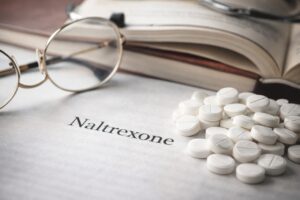
What is Naltrexone and Where is it Available?
Naltrexone is a non-addictive medication that can help you cut back on drinking by making alcohol feel less rewarding. After a short period of time taking Naltrexone, many people notice they naturally crave alcohol less and find it easier to stop after just one or two drinks.
By gently blocking the “buzz” that drives you to keep drinking, naltrexone supports moderation without taking away your choice. Over time, it can help you feel more in control of your drinking habits.
How Naltrexone Changes the Brain’s Reward Pathway
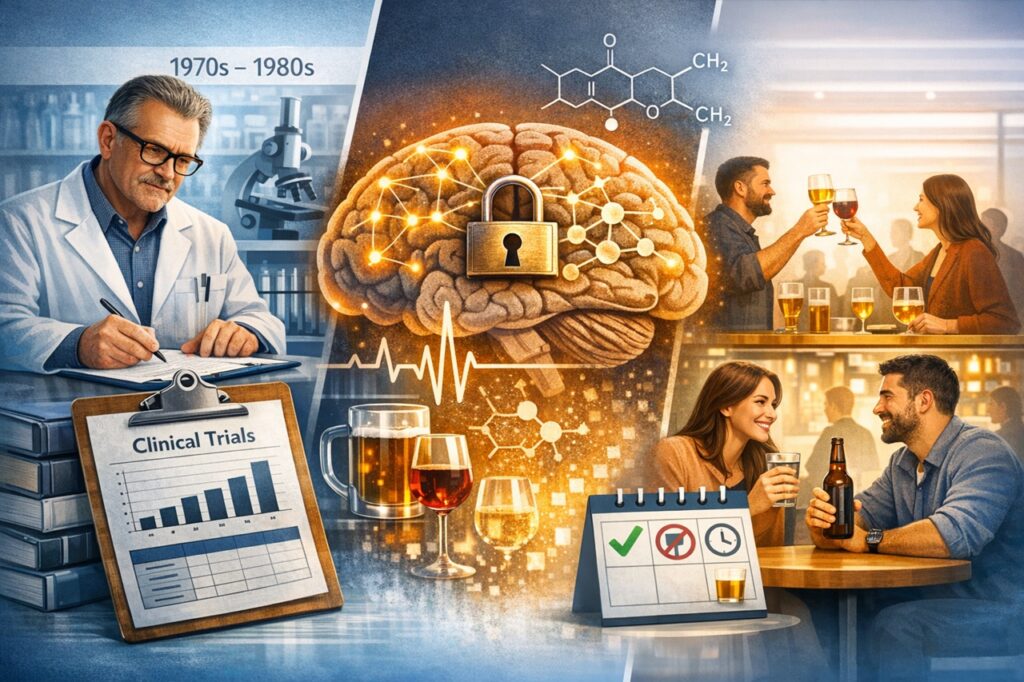
When you drink alcohol, your brain releases endorphins. These chemicals activate opioid receptors and increase dopamine levels in the brain’s reward system. This creates the pleasurable feeling associated with drinking. Over time, repeated alcohol use strengthens this neurological pathway, reinforcing the link between alcohol and reward.
This is why cutting down drinking can feel difficult — even when motivation is strong. The brain has learned to expect pleasure.
Naltrexone works by blocking opioid receptors, particularly the mu-opioid receptor involved in alcohol’s rewarding effects. When these receptors are blocked, alcohol produces less reinforcement. You may still feel relaxed, but the strong “reward response” is reduced.
With consistent use before drinking, this leads to a process known as pharmacological extinction. Gradually, the brain weakens its learned association between alcohol and pleasure.
How Long Does Naltrexone Take to Work?
By blocking this response, naltrexone reduces the reinforcement associated with alcohol.
However, this neurological change is gradual rather than immediate.
Because drinking habits are learned behaviours built over time, the brain requires repeated experiences of reduced reward before the association weakens. This process is known as pharmacological extinction.
Some individuals notice early changes within the first 1–2 weeks, such as:
- Feeling satisfied sooner
- Less urge for another drink
- Reduced binge episodes
For others, changes become clearer over:
- 4–6 weeks
- Continued improvement over 3–6 months
Consistency is key. Naltrexone should be taken as prescribed — typically prior to drinking — to allow the reward pathway to weaken progressively.
Importantly, it is not designed as an instant “switch off.” Instead, it works cumulatively, supporting long-term alcohol reduction rather than short-term suppression.
Why Lower Dose Naltrexone Is Used to Start Treatment
When beginning naltrexone for alcohol reduction, treatment often starts at a lower introductory dose before moving to the standard therapeutic dose.
This approach — known as dose titration — is widely used in medicine to help the body adjust gradually to a new medication.
Naltrexone works by blocking opioid receptors in the brain, reducing the rewarding effect of alcohol. While this mechanism is well tolerated by most people, introducing it slowly can help minimise early side effects.
Starting with low-dose naltrexone allows:
- The body to adapt more comfortably
- Reduced likelihood of nausea
- Lower risk of sleep disturbance
- Greater treatment adherence
- Increased patient confidence
After an introductory period, the dose is increased to 25mg, and then for full benefit up to 50mg if clinically appropriate.
This gradual step-up process ensures the neurological effects of naltrexone can begin without overwhelming the system.
Is Naltrexone Safe? Side Effects Explained
Naltrexone has been used in clinical practice for over 30 years and is widely regarded as a safe and well-tolerated medication when prescribed appropriately. Originally developed in the United States and later licensed across multiple countries, it has been studied extensively in alcohol reduction and alcohol dependence treatment.
Because naltrexone is a prescription medication in the UK, clinician assessment is always required before use. This ensures it is suitable based on medical history, liver function, and any concurrent medications.
So, what about side effects?
Most people tolerate naltrexone well, particularly when starting at a lower introductory dose. Where side effects do occur, they are usually mild and temporary as the body adjusts.
Common side effects may include:
- Mild nausea
- Headache
- Fatigue or tiredness
- Sleep disturbance or insomnia
- Gastrointestinal discomfort
Clinically Reviewed & Professionally Dispensed

Roseway Labs are a UK compounding pharmacy specialising in personalised medications and clinician-led dispensing services.
The Drink Less Method works with qualified UK prescribers and regulated pharmacy partners to support individuals looking to reduce their alcohol intake.
Medication supplied through the programme is dispensed by our pharmacy partner:
Roseway Labs.
Evidence – Based Approach
Naltrexone is a well-established medication that has been studied extensively in alcohol-related treatment settings. Clinical research has explored its role in reducing the rewarding effects associated with alcohol consumption and supporting behavioural change over time. Roseway Labs recently published an independent article discussing:
- The science behind naltrexone
- Alcohol reward pathways
- Clinical evidence supporting reduction approaches
- The role of pharmaceutical compounding and personalised dosing
Read the article here: Naltrexone, Compounding and Individualised Approaches to Alcohol Reduction
Important Information
Naltrexone is a prescription-only medicine and is not suitable for everyone.
Treatment is provided only following clinical assessment and may not be appropriate for individuals:
- using opioid medications
- with certain liver conditions
- or with other relevant medical considerations
Naltrexone FAQs
For your second or repeat prescription from the Drink Less Method, you will be required to complete an additional consultation, covering changes to your health, medication and drinking habits, prior to issuing a repeat prescription.
Yes, it’s completely legal. The 50mg Naltrexone products are fully licensed in the UK for alcohol and opioid dependency.
None of the manufacturers currently have applied for (or obtained) a license for a lower dose, not that the medicine is unregulated or illegal.
Off label medicines are very common and legal in the UK and often called ‘specials’ and used by qualified clinicians to prescribe them when, in their judgment, it’s likely to help and is safe for you. They don’t require an NHS prescription, so you just pay the price listed on this website plus any postage fees. It does not mean the treatment is “unapproved” or shady.
No. Naltrexone is non-addictive and does not cause a “high.” It simply reduces the rewarding effect of alcohol so you’re more in control of your choices.
Naltrexone blocks the brain’s opioid receptors, which are part of what makes alcohol feel rewarding. With less of that “buzz,” you may find yourself naturally drinking less without having to rely on sheer willpower.
Naltrexone in 50mg capsules is proven in multiple randomised clinical trials to show oral naltrexone helps people with Alcohol Use Disorder to reduce heavy drinking and addiction when combined with psychological support.
Evidence about the use of naltrexone and for different ways of using it in the treatment of alcoholism
“Eight double-blind placebo-controlled clinical trials in five countries have demonstrated the safety and efficacy of naltrexone as an adjunct in alcoholism treatment. The efficacy depends, however, on how naltrexone is used. Three of the trials tested naltrexone in two ways: (1) with supportive therapy, i.e. support of complete abstinence; (2) with therapy tacitly accepting that relapses may occur and teaching how to cope with them.” Source John David Sinclair
Conclusions: Both naltrexone and nalmefene have proved to be safe, well tolerated, easy to manage, and efficient drugs for the treatment of alcohol dependence disorder (currently known as alcohol use disorder). On the basis of recent controlled clinical trials, nalmefene has been shown to result in a significant reduction of alcohol consumption, thereby representing a new objective that extends the therapeutic possibilities for those patients who do not wish for a continuous abstinence, but rather a reduction of alcohol consumption. Click for Source
Naltrexone is usually taken as a tablet on days when you are planning to have a drink – one hour before normal drinking time. Over time, this steady support can help reduce cravings and make drinking less of a focus in your day-to-day life.
Naltrexone can be ordered from this website after carrying out a thorough consultation. Your answers will be reviewed by the in-house clinician and, if there are no further questions from them, you will be issued with a private prescription to order your first series of Naltroxene. This order is for a two month supply – the first supply at a lower dose to be sure of no serious side effects.
Naltrexone may cause liver damage when taken in large doses. It is not likely that naltrexone will cause liver damage when taken in recommended doses. Tell your doctor if you have or have ever had hepatitis or liver disease. If you experience any of the following symptoms, stop taking naltrexone and call your doctor immediately: excessive tiredness, unusual bleeding or bruising, loss of appetite, pain in the upper right part of your stomach that lasts more than a few days, light-coloured bowel movements, dark urine, or yellowing of the skin or eyes.
Naltrexone may cause side effects
- nausea
- vomiting
- stomach pain or cramping
- diarrhea
- constipation
- loss of appetite
- headache
- dizziness
- anxiety
- nervousness
- irritability
- tearfulness
- difficulty falling or staying asleep
- increased or decreased energy
- drowsiness
- muscle or joint pain
- rash
Some people feel changes within the first week, while for others it may take a little longer. The benefits tend to build over time as drinking becomes less appealing. Real results appear for most subjects after four weeks of use.
No. Unlike some treatments that require total abstinence, our medication is designed to support moderation. You can still enjoy a drink if you’d like—many people just find it easier to stop after one or two.
You can take oral naltrexone with or without food. However, if the medication causes nausea or stomach pain, taking it with a meal or a snack is recommended, as this can significantly reduce gastrointestinal side effects. This will slightly impact absorption rates.
Further Reading
Naltrexone Wikipedia Entry Evidence about the use of naltrexone and for different ways of using it in the treatment of alcoholism The status of naltrexone in the treatment of alcohol dependence: specific effects on heavy drinking. Naltrexone: a controversial therapy for alcohol dependence.Articles on Naltrexone
- Does the Sinclair Method Work?
 What Does the Evidence Really Show? If you’ve been researching ways to drink less, you may already have encountered The Sinclair Method,… Read more: Does the Sinclair Method Work?
 - Is Naltrexone the Ozempic® of Alcohol Control?
 Why the Next Health Revolution Could Be About Drinking Less For years, changing your weight was treated mainly as a matter of… Read more: Is Naltrexone the Ozempic® of Alcohol Control?
 - Is Naltrexone the “Skinny Jab” for Drinking?Why Medication Could Change the Way We Think About Alcohol Over the past few years, the way people think about weight loss… Read more: Is Naltrexone the “Skinny Jab” for Drinking?
- Targeted Naltrexone: Can Taking Naltrexone Before Drinking Help You Drink Less?For people searching for a pill to stop drinking or medication that could help them reduce their alcohol consumption, one treatment frequently… Read more: Targeted Naltrexone: Can Taking Naltrexone Before Drinking Help You Drink Less?
- From Summer Drinking to Sober October?
 You Don’t Have to Stop Drinking Completely to Make a Change September has arrived. The summer holidays are over, children are back… Read more: From Summer Drinking to Sober October?