
The Science Behind Reducing Alcohol Consumption
One of the most common questions we receive at The Drink Less Method is:
“How does naltrexone actually work?”
Unlike many approaches to alcohol reduction, naltrexone does not rely on making you feel sick when you drink, nor does it require complete abstinence from alcohol.
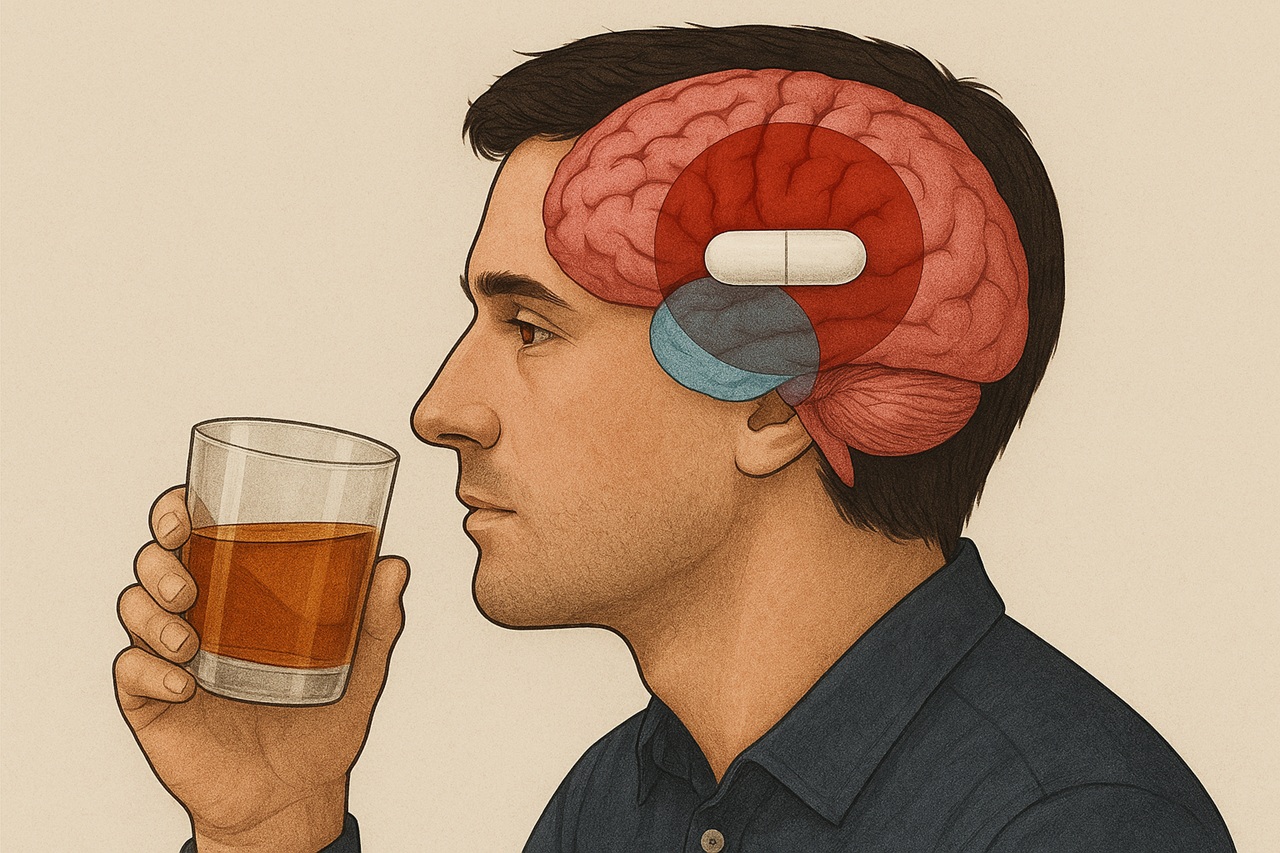
Instead, it works on the reward pathways in the brain that are involved in alcohol consumption.
Understanding this mechanism can help explain why naltrexone has become one of the most widely studied medications used in alcohol-related treatment pathways.
What Is Naltrexone?
Naltrexone is a prescription-only medicine that belongs to a class of drugs known as opioid receptor antagonists.
It has been used for many years in alcohol-related treatment settings and has a substantial body of clinical evidence supporting its use.
Today, naltrexone is prescribed in a variety of clinical circumstances and is often considered by individuals who wish to reduce their alcohol intake and regain control over their drinking.
Why Alcohol Feels Rewarding
To understand how naltrexone works, it helps to understand what happens in the brain when alcohol is consumed.
Drinking alcohol triggers the release of naturally occurring chemicals known as endogenous opioids.
These chemicals contribute to activation of the brain’s reward system, including pathways involving dopamine.
This reward response is one reason why drinking can become habitual.
The brain learns to associate alcohol with pleasure, relaxation or relief from stress.
Over time, this learned association can become increasingly powerful.
How Naltrexone Changes the Reward Response
Naltrexone works by blocking opioid receptors, particularly the mu-opioid receptor.
As a result, alcohol may feel less rewarding than it previously did.
While individuals can still consume alcohol, many people report that:
- They feel less compelled to continue drinking
- They find it easier to stop after fewer drinks
- They experience less desire to keep drinking once they have started
- They gradually feel more in control of their alcohol consumption
The medication does not remove willpower or make decisions for you.
Instead, it may help reduce the reinforcing effects associated with alcohol.
The Sinclair Method and Pharmacological Extinction
Much of the public interest in naltrexone has been influenced by the work of Dr John David Sinclair.
During the 1990s, Dr Sinclair developed an approach that became known as The Sinclair Method.
The theory behind this approach was known as pharmacological extinction
The principle was simple:
When alcohol is repeatedly consumed while opioid receptors are blocked by naltrexone, the brain gradually weakens the learned association between alcohol and reward.
Over time, this may reduce the desire to drink excessively.
This concept has been explored in multiple clinical studies and remains an important part of modern discussions surrounding alcohol reduction.
Why Some People Consider Naltrexone
People seek support for many different reasons.
Common goals include:
- Reducing alcohol consumption
- Regaining control over drinking habits
- Improving sleep quality
- Supporting weight management goals
- Improving energy levels
- Reducing the impact alcohol has on day-to-day life
Not everyone wishes to stop drinking completely.
For some individuals, the primary objective is simply to drink less and feel more in control.
Clinical Assessment Is Important
Naltrexone is a prescription-only medicine and is not suitable for everyone.
It may not be appropriate for individuals:
- Using opioid-based medications
- With certain liver conditions
- With other medical circumstances that require further assessment
For this reason, treatment should only be provided following review by a qualified prescribing clinician.
The Drink Less Method & Roseway Labs
The Drink Less Method provides access to treatment via private prescription following clinical assessment and approval by a qualified prescriber.
Medication supplied through the programme is dispensed by our pharmacy partner, Roseway Labs, one of the UK’s leading specialist pharmacy providers.
Together, this enables customers to access a structured, clinically reviewed pathway focused on reducing alcohol consumption and regaining control over drinking habits.
The Bottom Line
Naltrexone works by targeting the reward pathways involved in alcohol consumption.
By reducing the reinforcing effects associated with drinking, it may help some individuals drink less, feel more in control and support long-term behavioural change.
While medication is not suitable for everyone, understanding how it works can be an important first step towards making informed decisions about alcohol reduction.
Important Information
Naltrexone is a prescription-only medicine and is not suitable for everyone. Treatment is provided only following clinical assessment and approval by a qualified prescriber. Individual results may vary.